It’s easy to go on autopilot during your workout and do the same old session you did last week. On the bright side, you’ve probably mastered your current program, but you could be leaving progress on the table. Consistently challenging yourself in small ways is essential to improve performance. Let’s talk about how to progress your workouts to reach your goals safely and effectively.
Progressive overload is a planned training protocol in which specific variables are modified over time to increase the workout's difficulty in order to help the body adapt and progress. Challenging your body with a new weight, exercise, or intensity comes down to subjecting your tissues to a new form of stress. The human body adapts to new stimuli and becomes more resilient. By increasing the difficulty of the exercise, your body will adapt to meet the demands of the stress placed upon it, and you can more readily face new challenges.
However, keep in mind that with more effort should come more rest. If you continue to increase the difficulty of your workouts week after week without proper recovery from strenuous activities, you may risk overtraining or even injury. Overtraining is a form of burnout that can include prolonged fatigue, a decline in performance, and mood changes. Balancing stress and recovery is vital to garner the most out of your workouts.
Progressive overload is a fundamental principle to follow to maximize your workout's performance and health benefits, with numerous studies supporting its essential impact on strength and aerobic training. Pushing yourself in new ways is one of the only means to improve your fitness, and in most cases, there is a dose-response of exercise. The more you do, the more significant the benefit, as long as the overload is applied over time.
Overload doesn’t just apply to muscular and cardiovascular fitness. In particular, your bones directly adapt to the mechanical forces placed on them, which is why it’s crucial for children to run and jump when their bones are developing. Similarly, load-bearing activities (walking, jogging,and strength training) are essential to maintain bone density as we age. With stronger bones and muscles, tendons and ligaments must keep up by adapting to new demands.
But what happens if you get injured? A progressive rehabilitation program, like one you’d find in physical therapy, can get you on your feet faster when an injury sets you back. When you suffer a soft-tissue injury, healing from tissue damage can take time, and strength loss is common, putting you at a higher risk of future injury. One study found a progressive therapy program significantly improved knee function in patients with an ACL injury. Rehabilitation following an injury is a unique form of progressive overload. Returning to normal function following an injury includes slowly introducing movement patterns and increasing strength and stability at the injury site.
Progressive overload is highly individualized because everyone will respond to a stimulus differently. However, there are specific methods you can focus on to guide your training: the FITT formula.
Frequency: Keeping all of the other variables the same, adding a training session to your week, or doubling up on certain days can do the trick to add more training stimulus overall.
Intensity: Revving up the intensity is a common way to progress your workouts. But what does that mean in different types of activities? For resistance training, you can increase the weight, the number of reps, the number of total sets you perform, or even decrease your rest intervals between reps and sets. If you choose to change the load over time, the American College of Sports Medicine recommends that if you can perform one or two repetitions beyond your current set, you can increase the load by 2 to 10percent in the next workout. In aerobic training, you can increase your speed, incline, or resistance on a cardio machine, focus on increasing your heart rate, or reduce the rest periods between intervals in high-intensity training.
Time: If you’re not quite ready to change the intensity of a workout, you can extend the duration of the total activity or intervals. For example, instead of a 30-minute walk every day, you can extend it to 45 minutes, or instead of 30-second jogging intervals, you can lengthen them to 45 seconds.
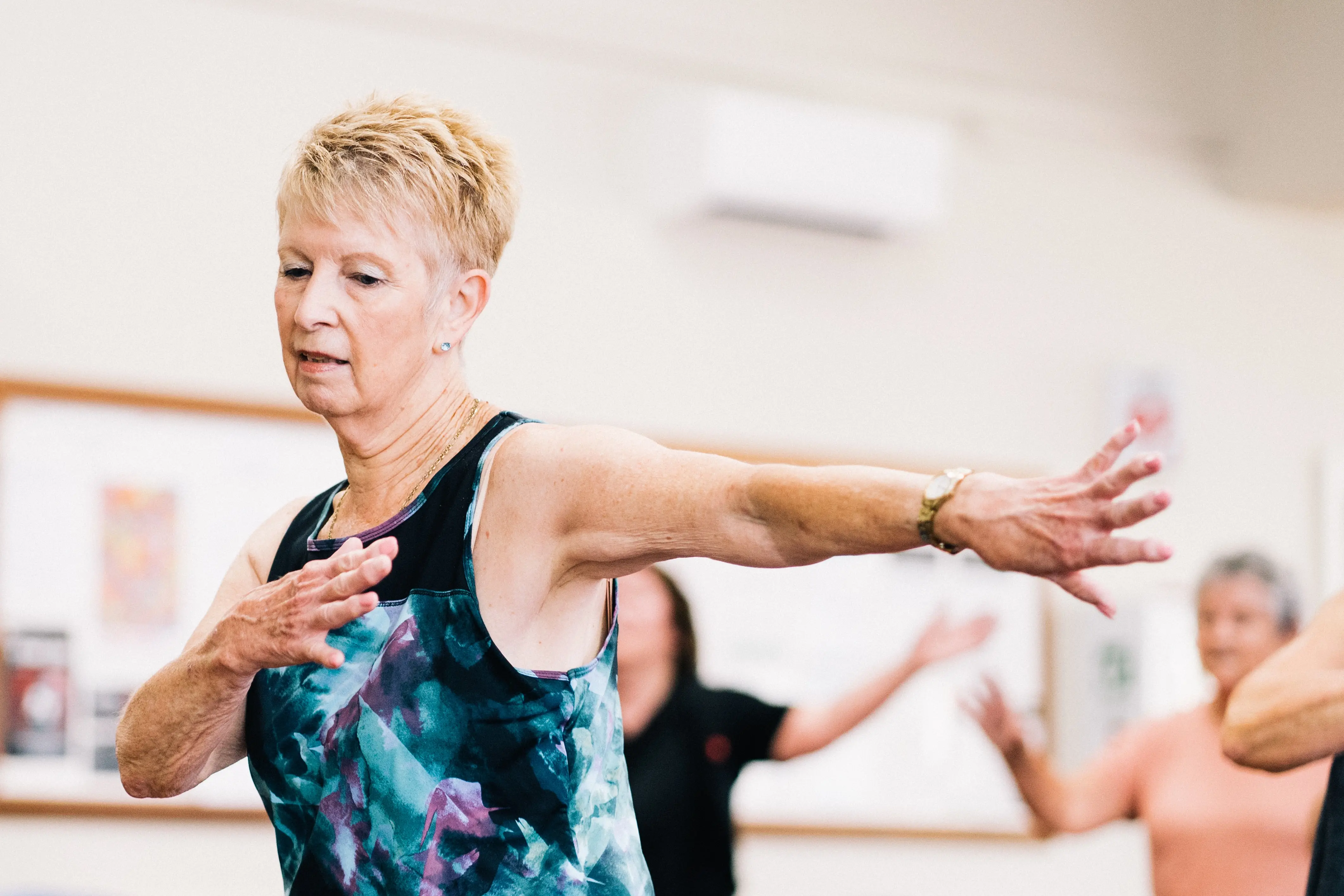
Type: Always sticking with the same mode of exercise can get stale. You can try new exercise styles or equipment to avoid getting bored with your routine. Subbing in a dance class instead of a walk or dumbbells instead of weight machines can challenge your body with new movement patterns and keep your workouts fresh and stimulating.
The bottom line: Your body adapts to the work you put in, so your fitness can hit a plateau without a challenge. Progressive overload works best when it’s slow and steady, so keep track of your progress, continue to challenge yourself, and get adequate rest to see significant improvements in performance.
Find out more about how to keep yourself healthy at home to continue making progress in your physical therapy and the gym!