Body Mechanics for Household Chores: An Occupational Therapist's Tips
How do you stay healthy using proper body mechanics for household chores? Check out these tips to stay safe and effective the next time you're spring cleaning.
If your back tightens up after vacuuming or your wrist aches after a long session chopping on the cutting board, you're probably not imagining it; housework is more physically demanding than it gets credit for. Research links awkward postures and repetitive hand movements during everyday chores to pain in the back, shoulders, and upper and lower extremities. Tasks like vacuuming and sweeping actually fall into the moderate-intensity exercise category (3.0–3.7METs), right alongside a brisk walk.
The good news is that a few small adjustments can go a long way toward protecting your body. Jordan Trinagel, OTR/L and Field Client Success Manager at Limber, shares practical tips to help you get through your to-do list with less strain.
Cleaning
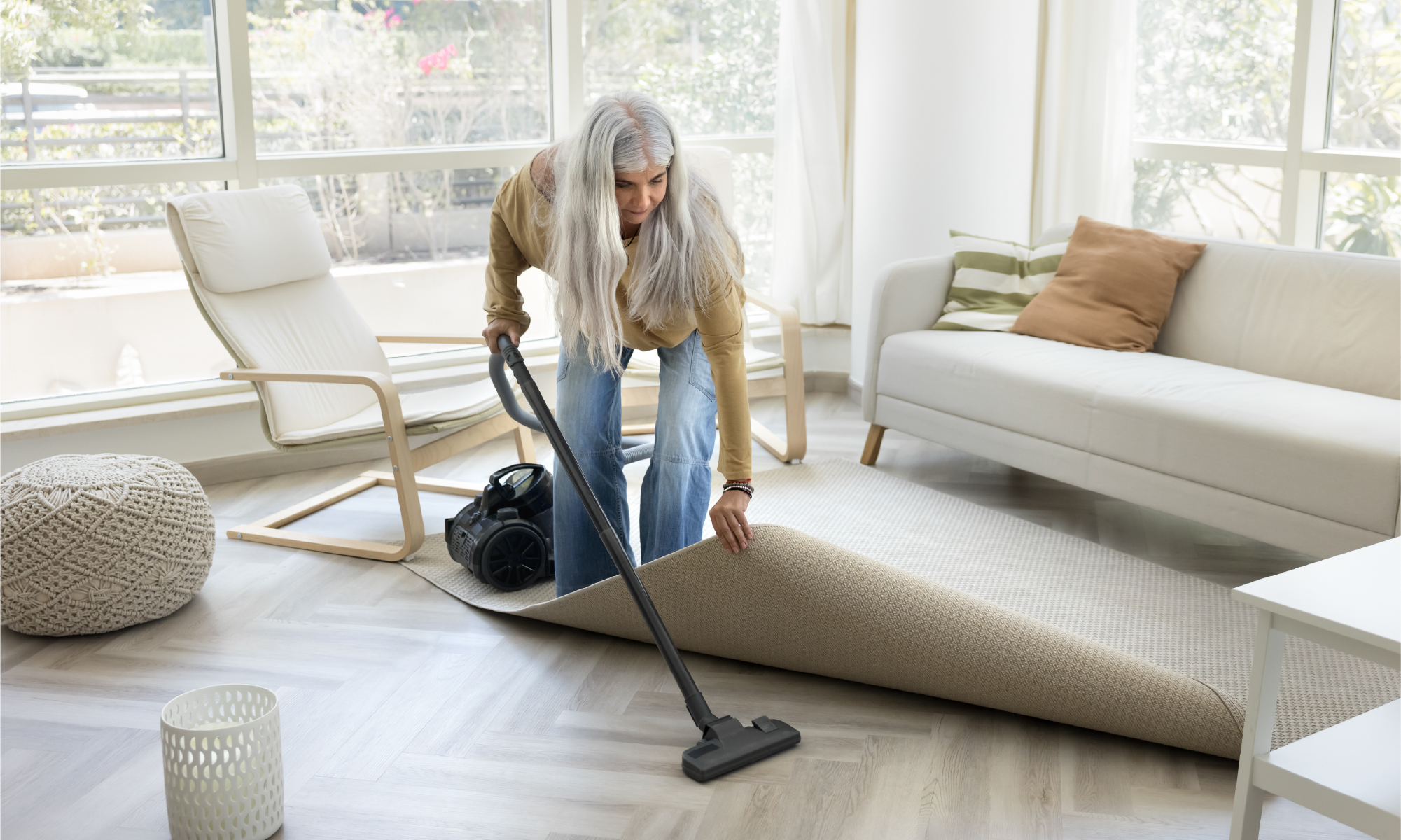
Vacuuming
Vacuums are heavier than they look. Even newer models can weigh up to 20 pounds, and the back-and-forth motion across carpet adds up quickly. A study on cleaning tasks found that vacuuming produced some of the highest shoulder muscle activation of any household activity measured.
Here's what to keep in mind.
Keep the vacuum close to your body: Reaching too far ahead puts extra strain on your shoulders, low back, and core. For tight spots, use your vacuum's attachments and reposition yourself so you're always working close to the surface.
Loosen your grip: It's easy to clench the handle when pushing through thick carpet. Consciously relaxing your grip helps reduce strain on your forearm muscles and tendons. Research has found that repetitive motions combined with forceful gripping increase the risk of developing upper-extremity musculoskeletal disorders.
Take breaks between rooms: Use the natural transition from one room to the next as a chance to pause, shake out your arms, and stretch your shoulders, low back, and forearms before moving on.
Scrubbing
The repetitive nature of scrubbing can be tough on the shoulders, neck, and core, especially when you're working through a stubborn mess.
Position yourself close to the surface: Overreaching puts unnecessary strain on your shoulders. If you're scrubbing a large kitchen island, work your way around the perimeter rather than stretching across from one end.
Be mindful of hunching: Scrubbing the bathtub is a common culprit for low back discomfort because of sustained forward bending. It might sound unconventional, but stepping into the tub can actually help you reach deeper areas with far less strain on your back.
Switch hands: Alternating hands while scrubbing counters or floors helps distribute the workload across both sides of the body. This simple strategy reduces the risk of overuse injuries, which are more likely when repetitive motions are concentrated on one side.
Cooking
Chopping
If meal prep involves a lot of chopping, your wrists will thank you for a few small changes. Rapid, repetitive hand and wrist movements can contribute to conditions like tendonitis and carpal tunnel syndrome over time.
Keep your knife sharp: A sharp knife requires significantly less force with each cut, reducing the cumulative strain on your wrists and hands throughout meal prep.
Pace yourself with tougher ingredients: Some foods, like potatoes or winter squash, require more effort to chop. Try spacing out your harder cuts by working in small batches rather than powering through all at once. Giving your hands short rest periods between demanding tasks is one of the most effective ways to prevent repetitive strain.
Dishes
Whether you're loading the dishwasher,hand-washing at the sink, or putting dishes away in overhead cabinets, pay attention to how long you’re bent over or reaching up. Prolonged or repetitive bending and reaching can take a toll on your back and shoulders over time. If certain cabinets always have you stretching awkwardly, it might be worth rearranging, so your most-used items are within easy reach.
Laundry
If you've been putting off laundry day, your basket is probably overflowing and heavier than it looks.
Lift with your legs, not your back: Instead of bending at the waist, get close to the basket, lower into a squat, and use your core, hips, and legs to power yourself up. Research supports that keeping your spine in a neutral position while lifting helps spread the load more evenly and reduces stress on any one part of your back. A clinical framework for lifting also recommends choosing techniques that minimize symptom aggravation while building tissue tolerance over time.
Be mindful of awkward positions at the machine: Front-loading and top-loading machines each come with their own postural challenges. Whether you're reaching deep into a front loader or lifting a heavy load out of a top loader, focus on bracing your core and supporting your joints through these movements.
Small Changes, Big Returns
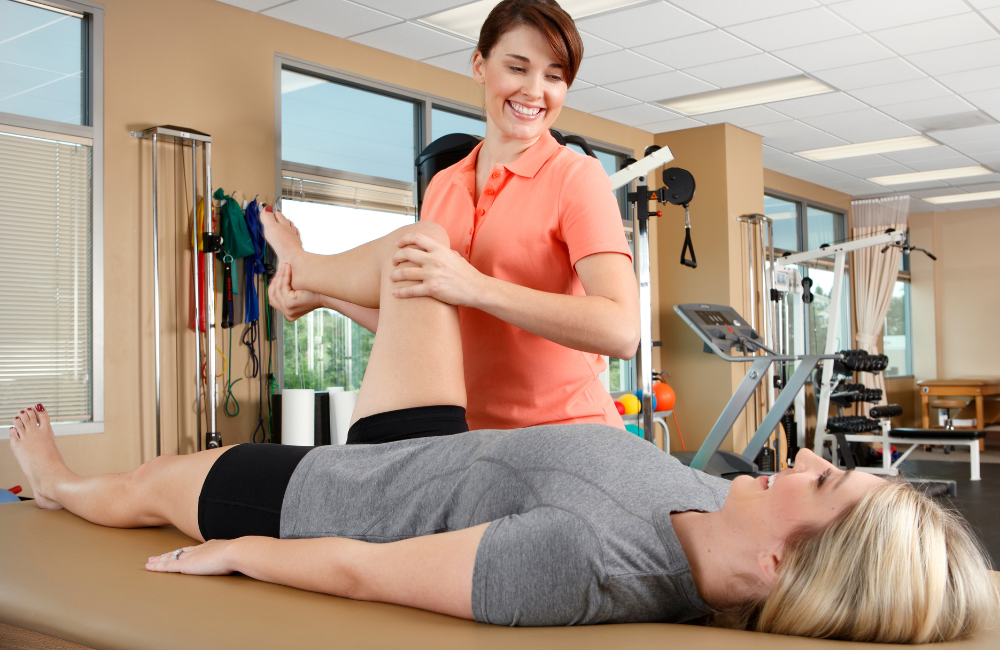
Small changes to how you move through your day can add up to a big difference over time. Your body works hard, even during chores, so it's worth giving it the same care you give the rest of your home.And if you're dealing with ongoing pain or discomfort during everyday tasks, your physical or occupational therapist can help you find the root cause and build a plan to move with more confidence and less strain.