For as long as anyone can remember, RICE (rest, ice, compression, elevation) has been the trusted method for treating acute soft tissue injuries like sprains and strains of muscles, tendons, or ligaments. But as new research emerges, treatment strategies should also adapt to reflect the most current evidence.
A recent article published in the British Journal of Sports Medicine provides a new take on the immediate and long-term management of acute injuries. Using the acronyms PEACE & LOVE, you can move towards faster, more optimal recovery.
For the first few days following an acute injury, you need PEACE.
Protection: Avoid activities that cause you pain immediately after suffering an injury. Let pain guide your movement; when you are able, gently resume activities because prolonged rest may compromise tissue strength.
Elevation: Keep those pillows handy. Elevating the injured limb often, ideally above the level of the heart, helps to drain excess swelling from the injured area.
Avoid Anti-Inflammatories: The natural inflammatory response following an injury plays an integral role in tissue healing. So while the analgesic (pain-relieving) effects of non-steroidal anti-inflammatory drugs (NSAIDs) are tempting, taking them often may interrupt tissue repair. Icing an injury has a similar effect. As a vasoconstrictor, ice reduces pain but limits the transport of inflammatory cells to the area. With that being said, NSAIDs and ice are used less and less in injury treatment.
Compression: Tissue edema or swelling can prolong the healing process. Compressing the area with external pressure using tape or elastic bandages can help to reduce swelling and improve quality of life during the healing process.
Education: Understanding your injury and the benefit of taking an active approach puts you in the driver’s seat in your healing. Autonomy in your treatment program and setting realistic expectations and timeframes are essential for a healthy recovery while saving you time (and money) chasing quick fixes.
You’ve gotten through the worst of it–after the first few days pass, soft tissues need LOVE.
Load: Incorporate movement in your routine as soon as possible, pain-permitting. An active approach of loading the tissue with mechanical stress through weight-bearing, mobility, and exercise helps tissues regain their quality and strength faster.
Optimism: Psychological factors such as fear or depression can impact your rehabilitation. Maintaining a positive and pragmatic mindset can increase your likelihood of optimal recovery and build your mental resilience.
Vascularisation: Pain-free cardiovascular exercise not only increases circulation to the injured limb but also boosts your mood and motivation. Try different activities that you enjoy and that don’t aggravate your injury, like cycling.
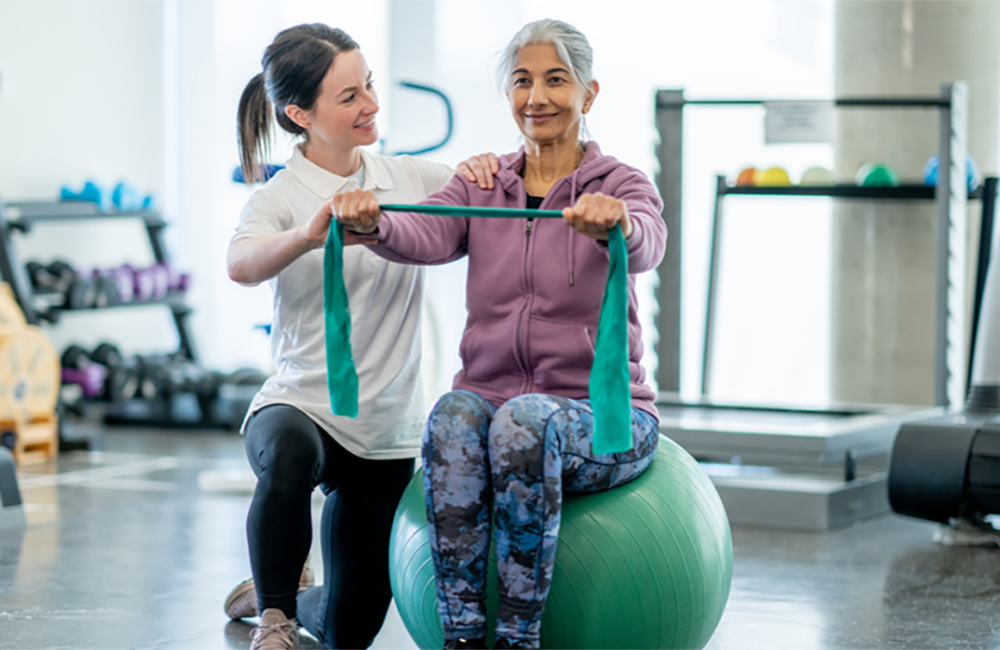
Exercise: Getting back to your workouts after an injury is an effective rehabilitation tool to recoup strength, mobility, and proprioception. Again, use pain as a guide for what type and intensity of exercise you perform and gradually increase the difficulty over time.
The proposed PEACE and LOVE guidelines for soft tissue injury management advocate for an active approach to rehabilitation, explore the psychosocial impact on recovery, and adapt the use of NSAIDs and ice in treatment based on current research. Following these recommendations at the onset of an injury and into your rehabilitation will help you regain your physical performance and quality of life faster, so you spend less time nursing an injury and more time living your life.